Computer Network

What is Computer Network?
A computer network is a set of computers sharing resources located on or provided by network nodes. The computers use common communication protocols over digital interconnections to communicate with each other. These interconnections are made up of telecommunication network technologies, based on physically wired, optical, and wireless radio-frequency methods that may be arranged in a variety of network topologies
The nodes of a computer network can include personal computers, servers, networking hardware, or other specialised or general-purpose hosts. They are identified by network addresses, and may have hostnames. Hostnames serve as memorable labels for the nodes, rarely changed after initial assignment. Network addresses serve for locating and identifying the nodes by communication protocols such as the Internet Protocol.
Bits and Bytes of Computer Networking
An interconnection of multiple devices, also known as hosts, that are connected using multiple paths for
the purpose of sending/receiving data or media. Computer networks can also include multiple
devices/mediums which help in the communication between two different devices; these are known as
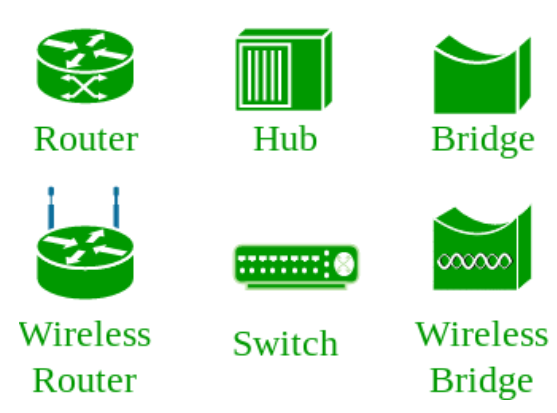
Network devices and include things such as routers, switches, hubs, and bridges.
Network Topology:
The layout arrangement of the different devices in a network. Common examples include: Bus, Star, Mesh,
Ring, and Daisy chain.

How to learn Computer Network?
Computer networks are essential in many aspects of our daily lives, from our homes to our workplaces to our public spaces. Computer networking professionals are in demand, according to a study done by IT Career Finder, network administrator job is ranked in top 10 positions. The 10-year growth is 5%. The average and rapid adoption of mobile devices, and cloud computing will lead to increased job opportunities.